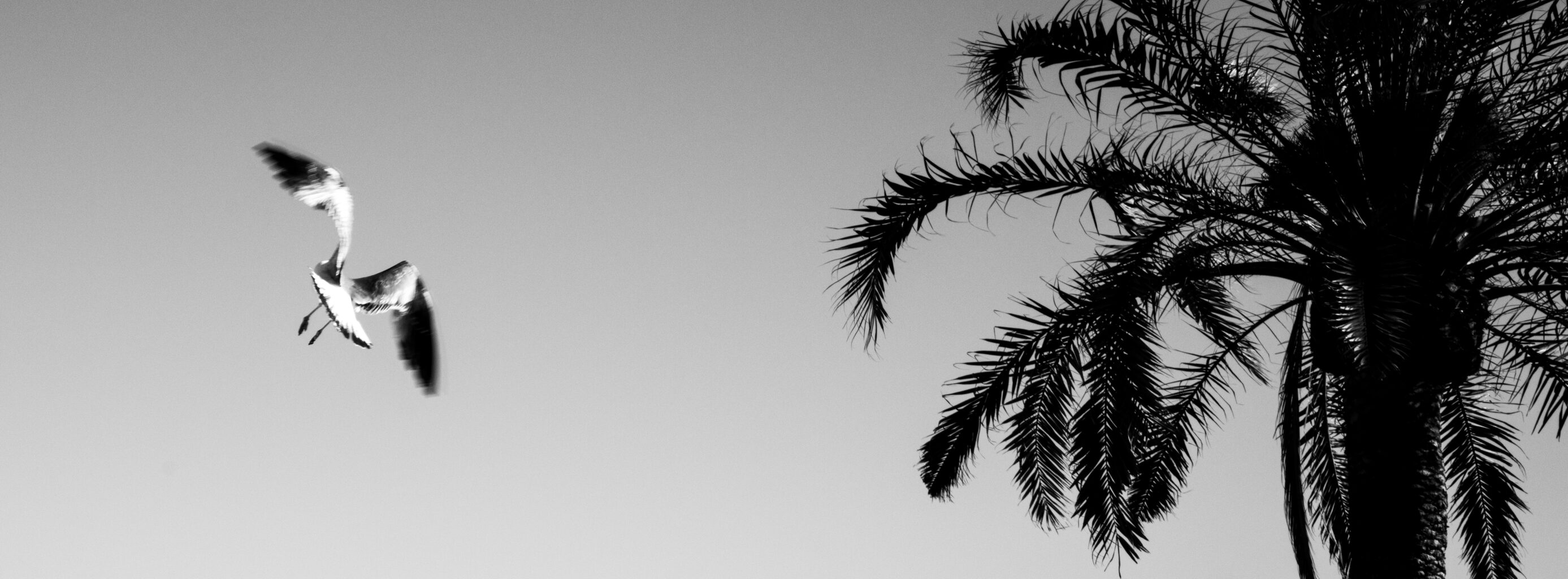
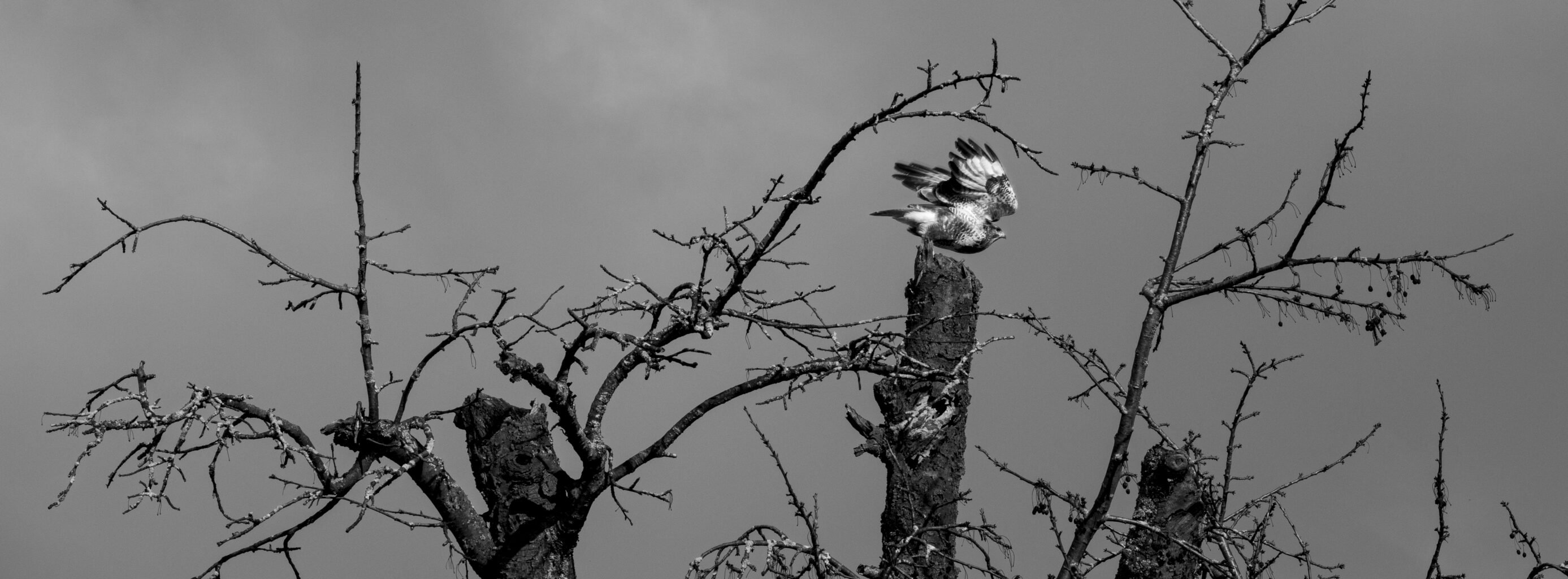
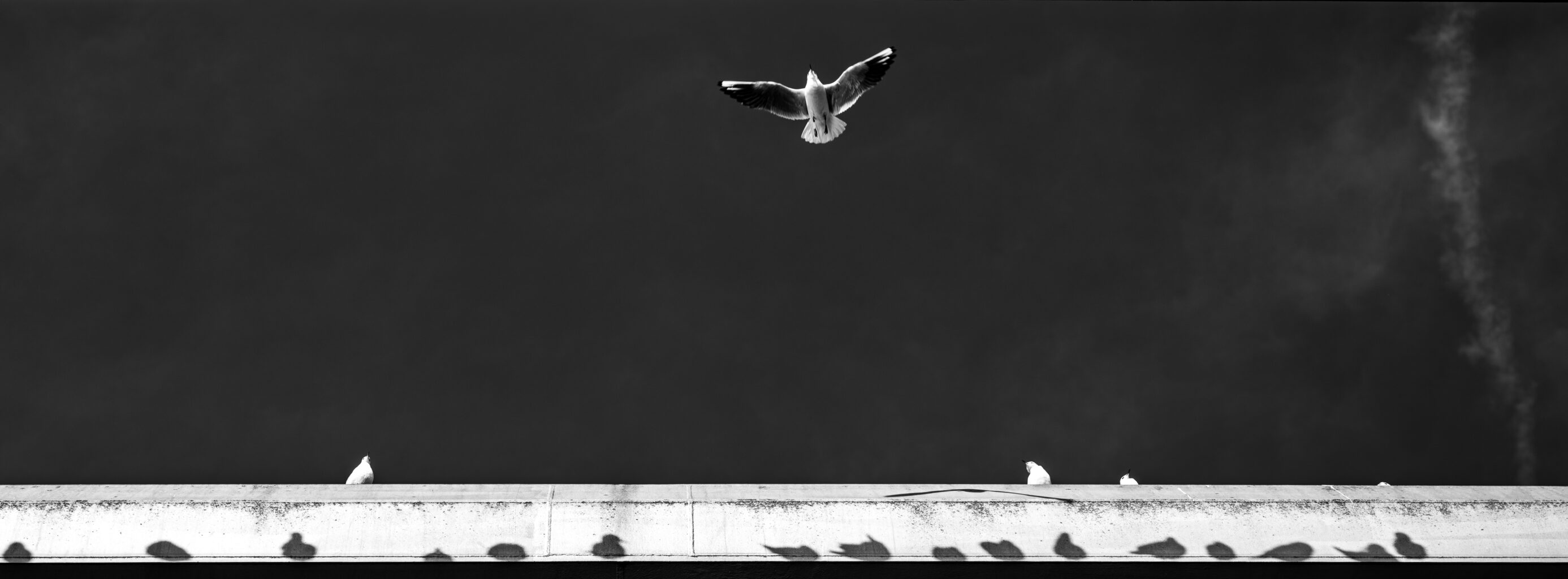
Solitude explores the ambivalent emotions related to being alone: independence and loneliness. These are among the first emotions experienced in life, including the realization that independence can suddenly turn into loneliness. The toddler who crawls away from its parents for the first time enjoys its independence. However, the feeling turns quickly into loneliness when the parents disappear from view.
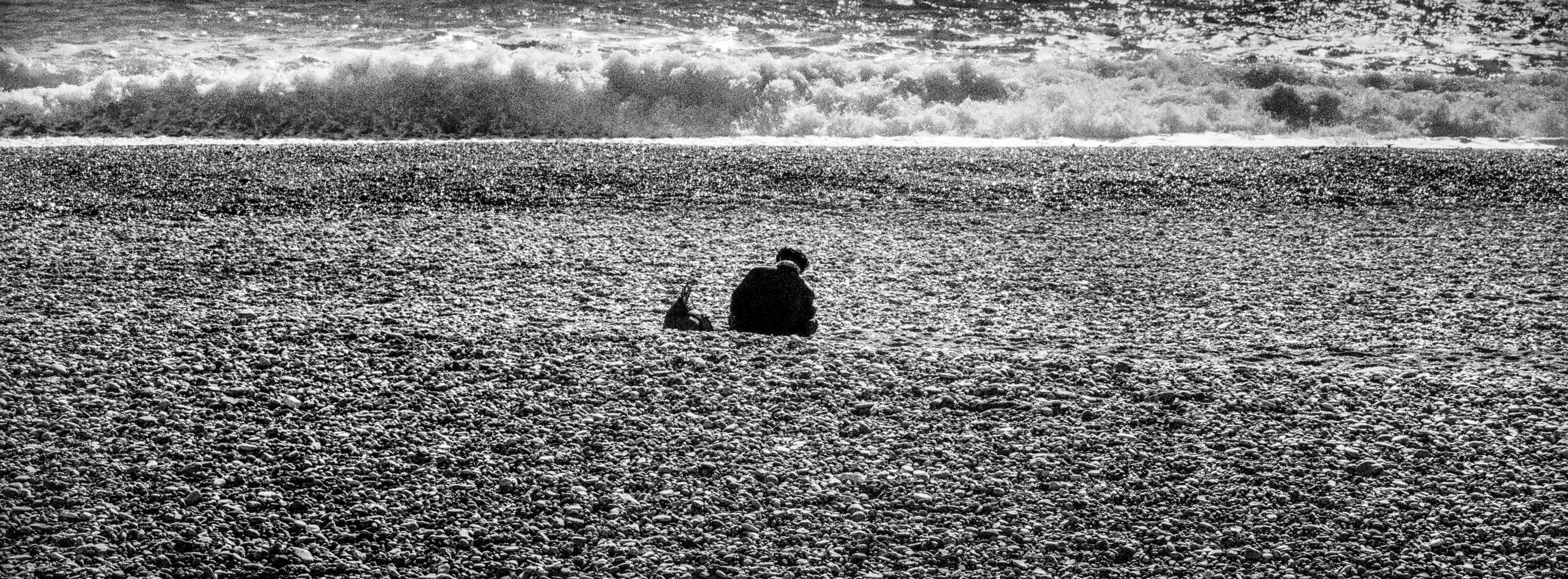
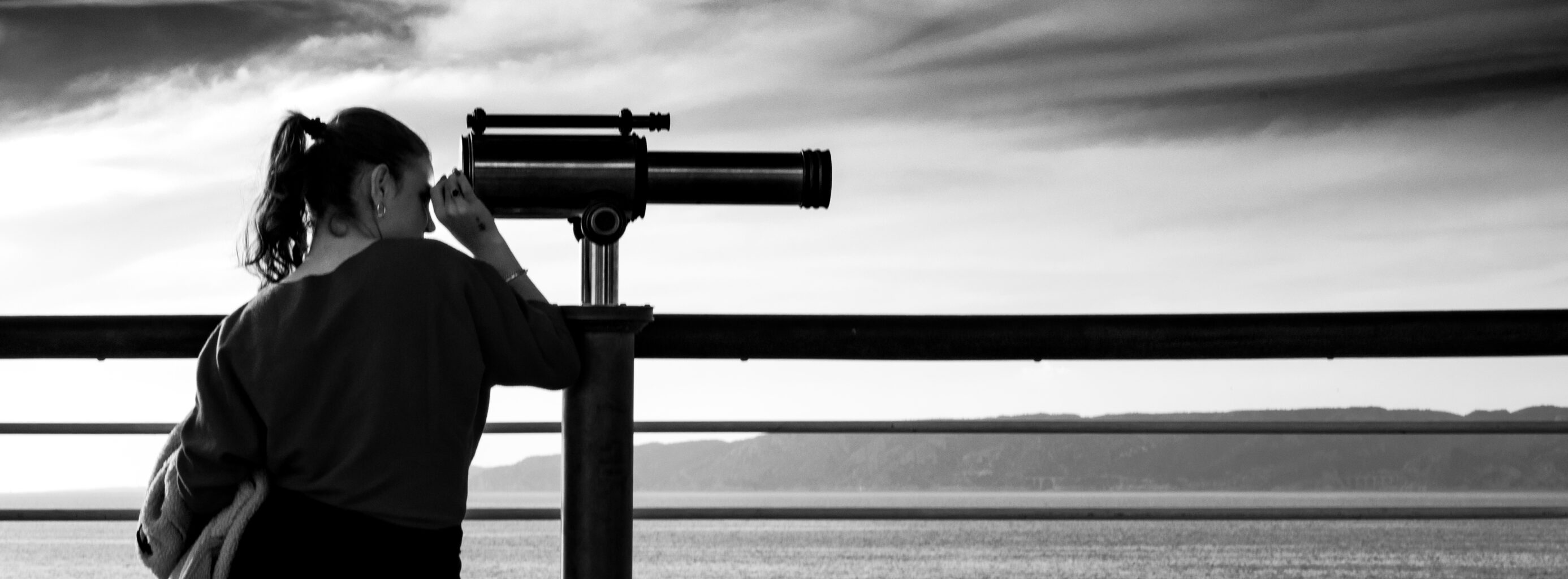
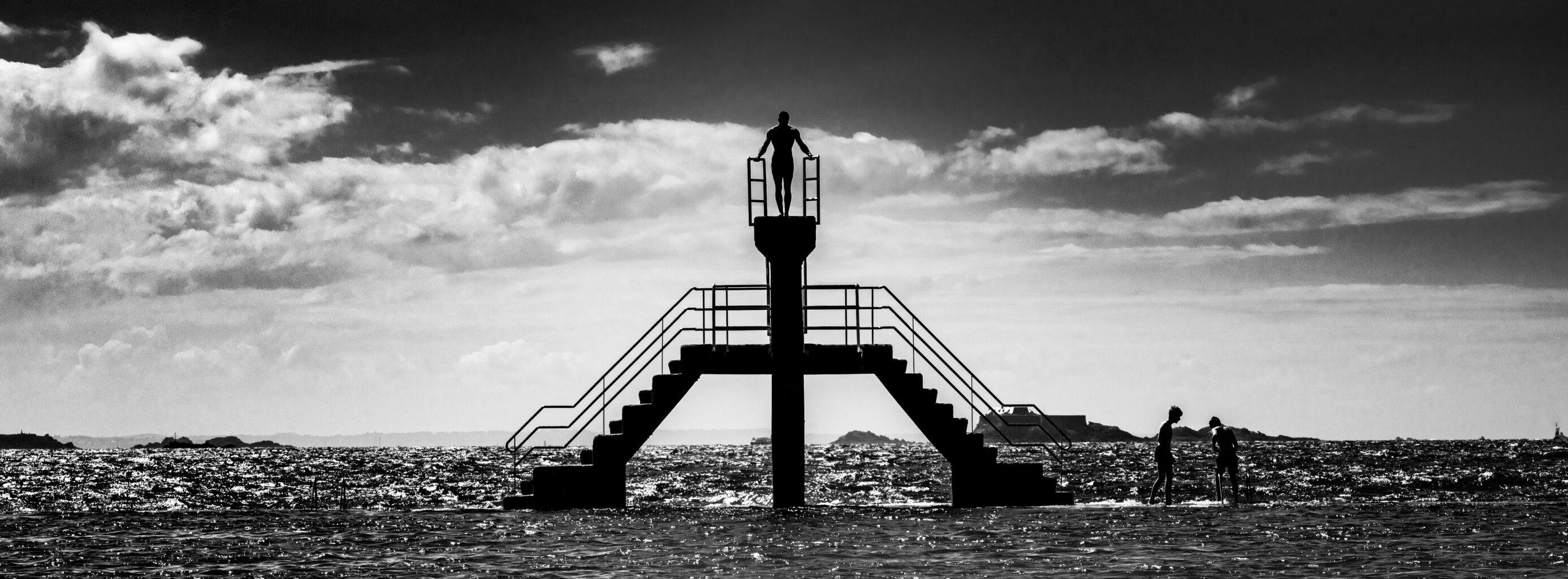
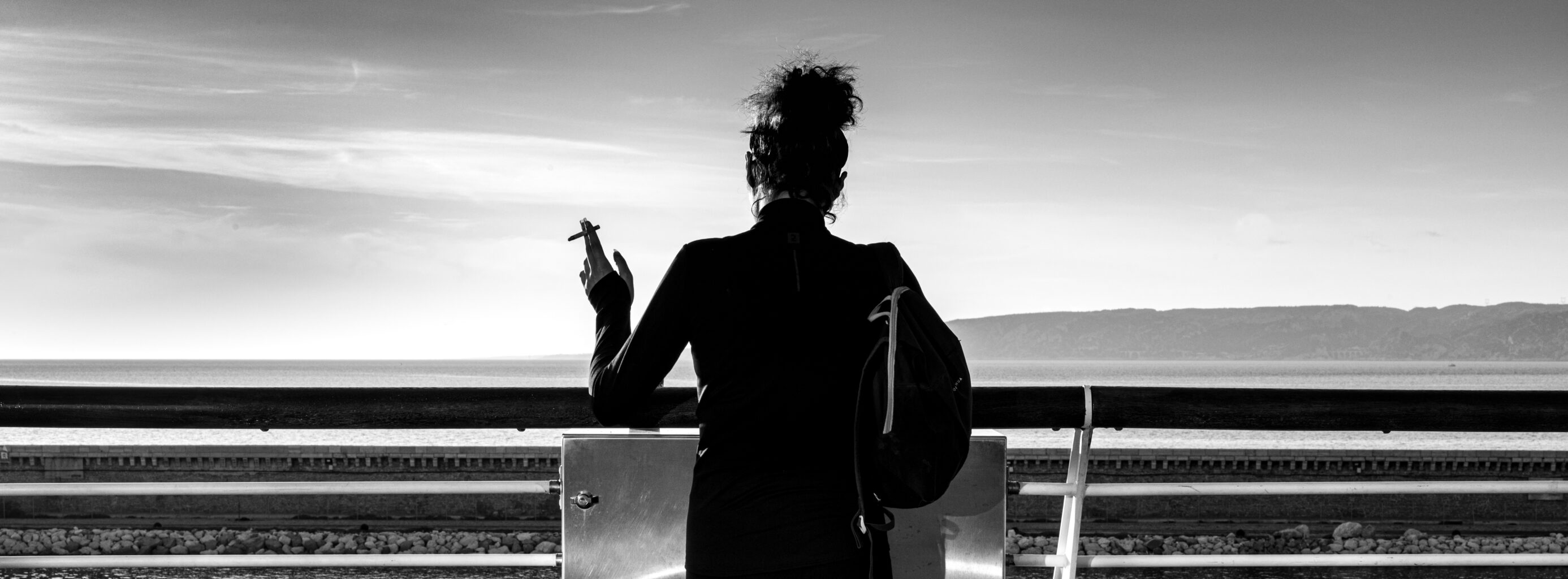
The series shows individuals pursuing activities alone in public spaces. It is typically in the eye of the beholder, influenced by their personal life experiences, whether a particular picture is perceived as an expression of independence or loneliness. The pictures evoke either emotion: the old man staring at the sea could have escaped his small downtown apartment to enjoy the wind and waves, or he could be remembering the days at the beach with his wife, who has died and left him alone.
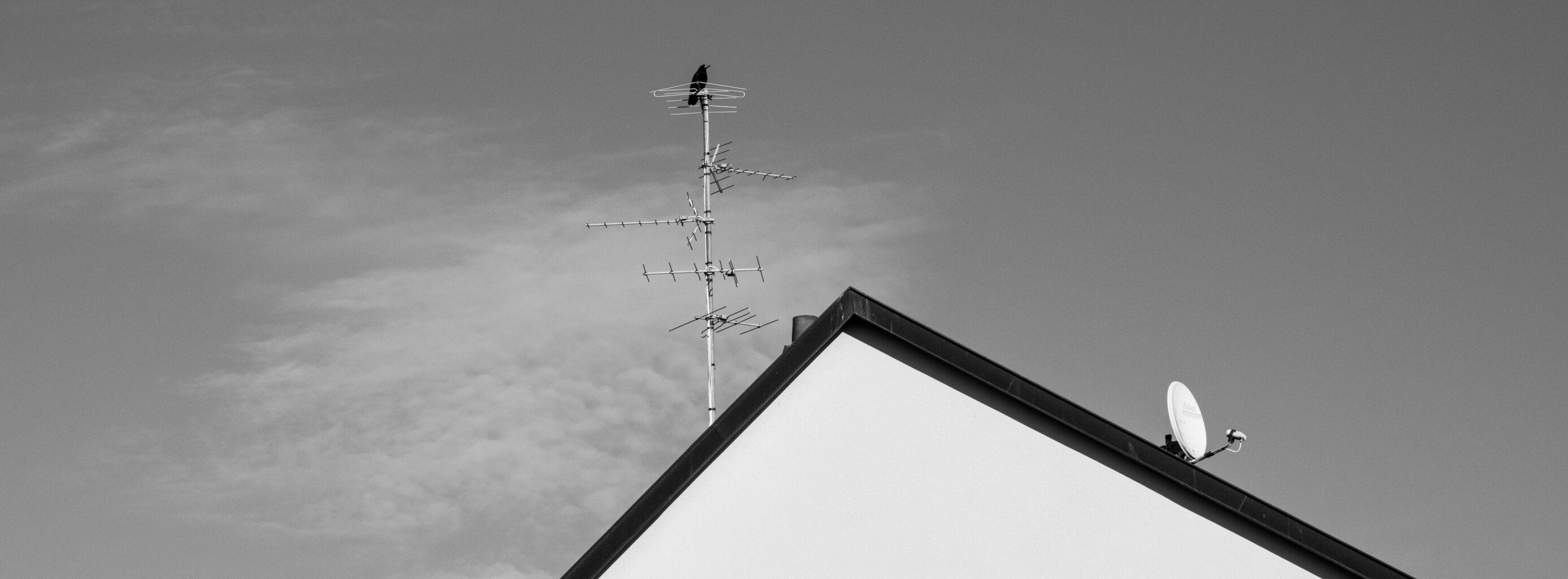
The panorama format emphasizes the theme of Solitude by providing ample (negative) space around the protagonist. Black and white removes the distraction of colour. In the tradition of “hunters and collectors” I enjoy capturing candid moments on the street and in nature. Whilst I appreciate that the creative use of AI gets its well-deserved recognition as art, I don’t use it in my photographs; they contain nothing that wasn’t on the digital or analogue negative.
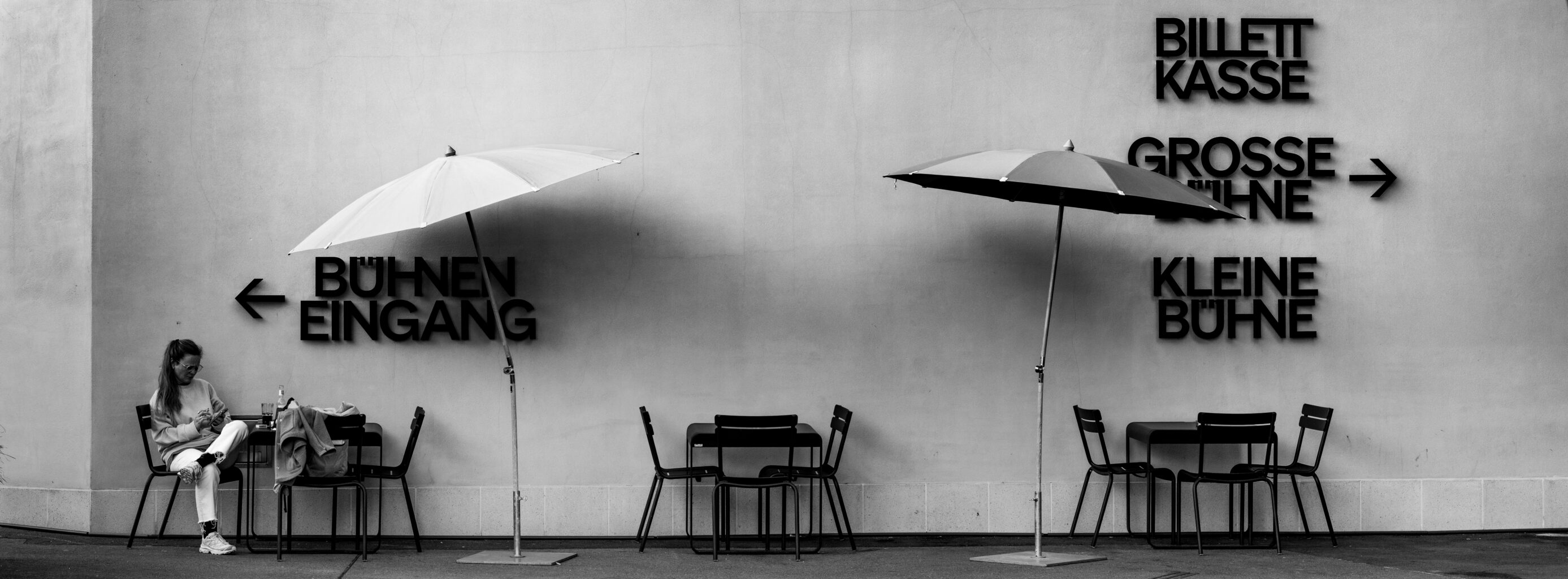

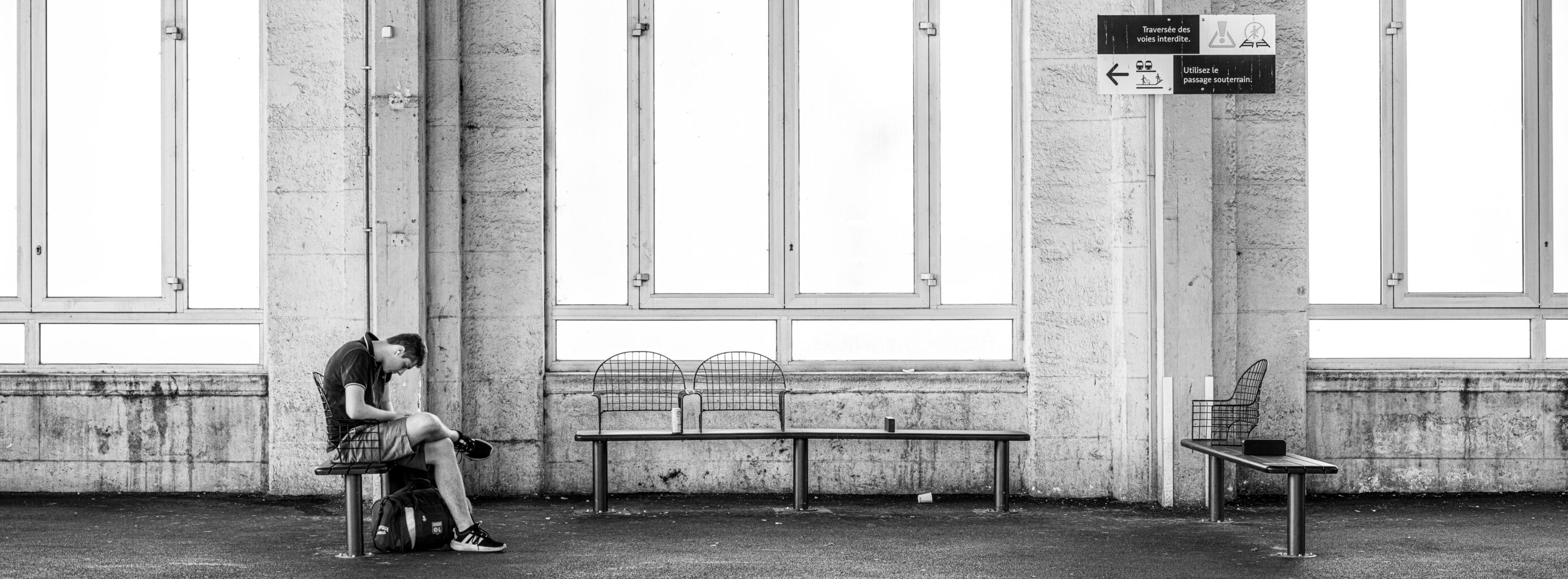
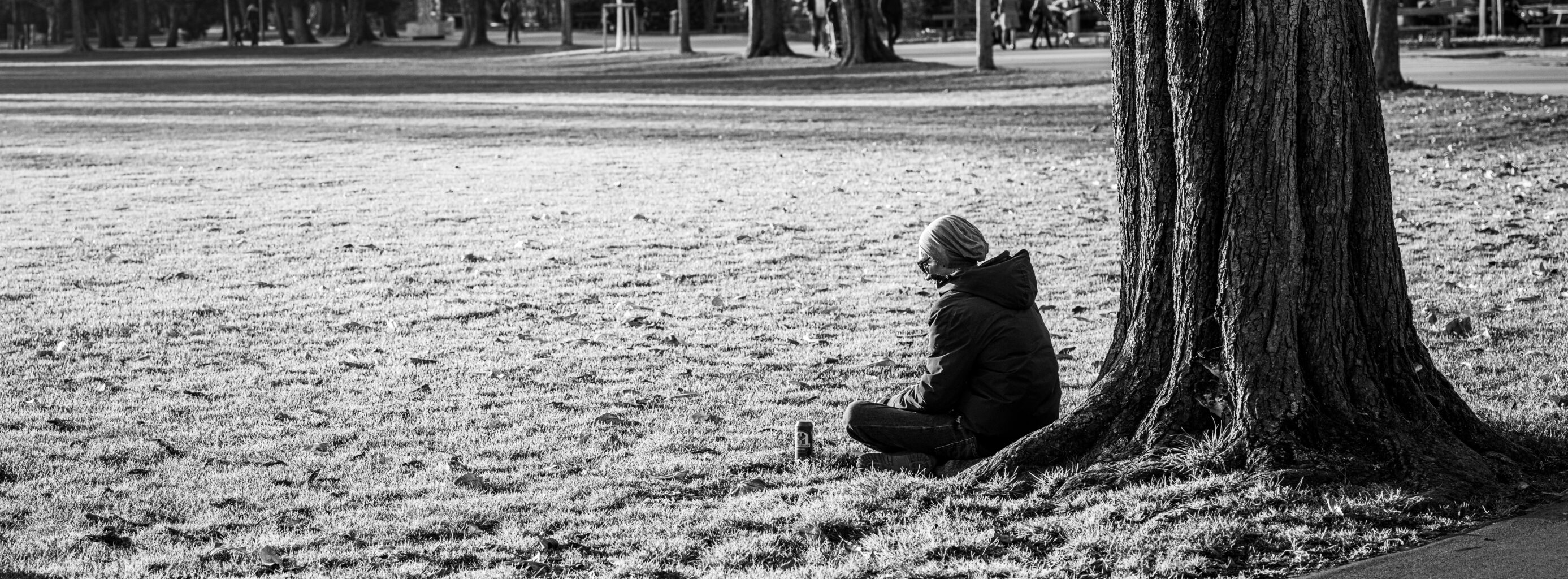
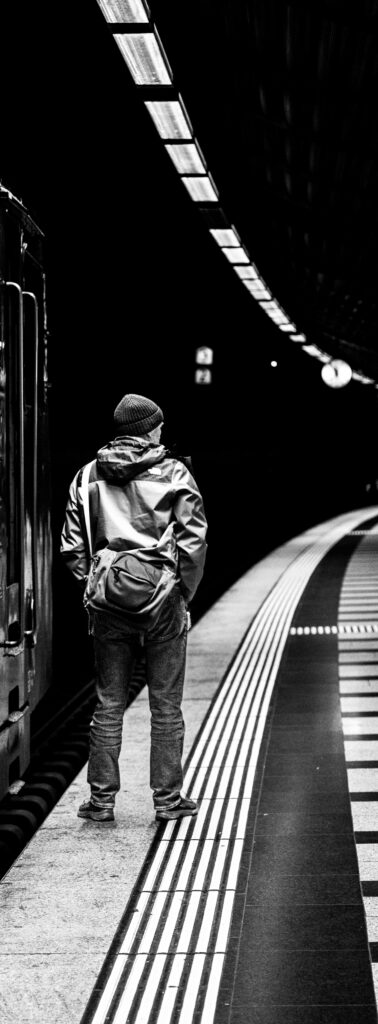
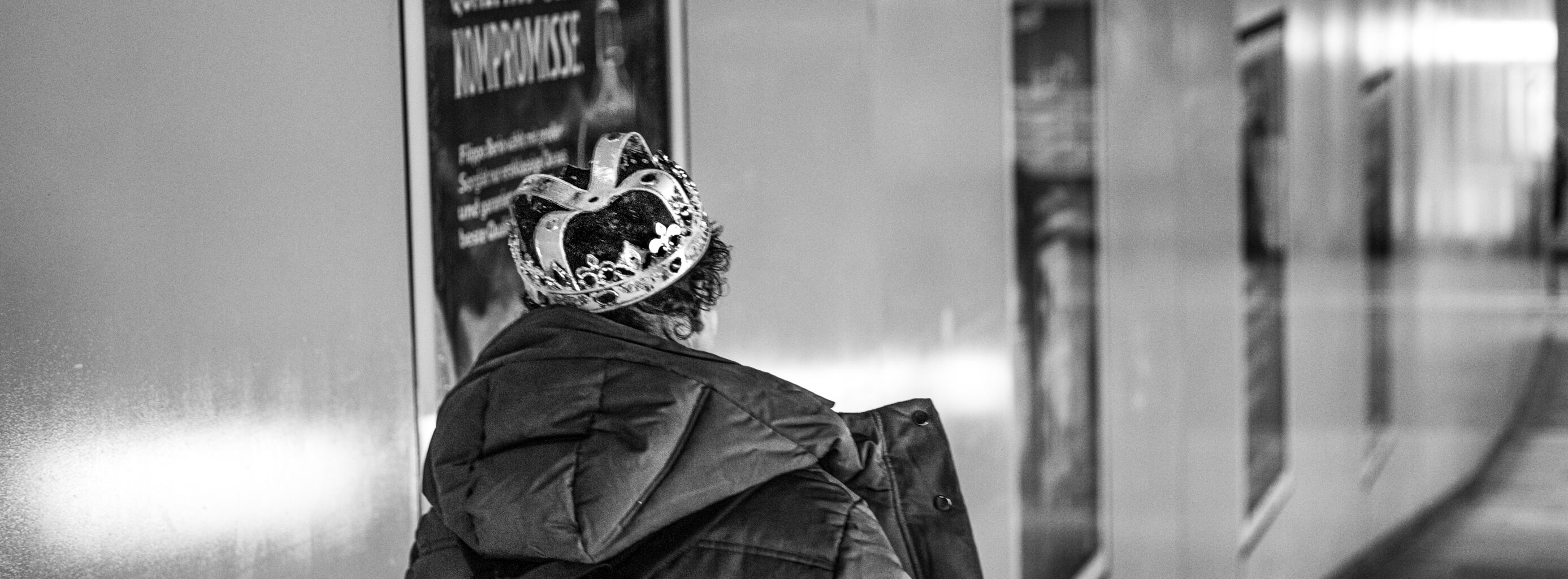
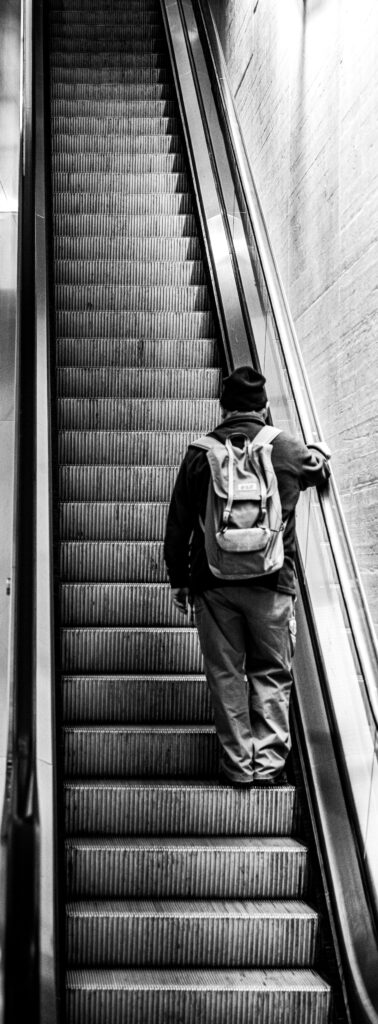
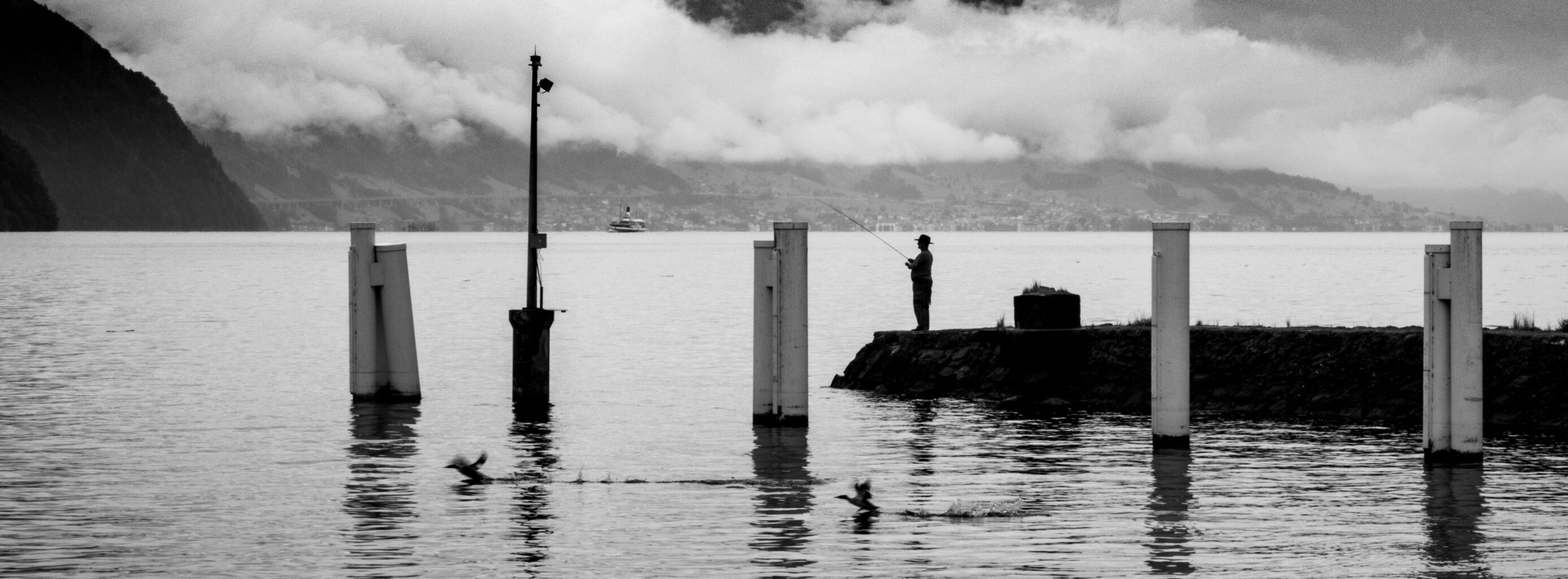
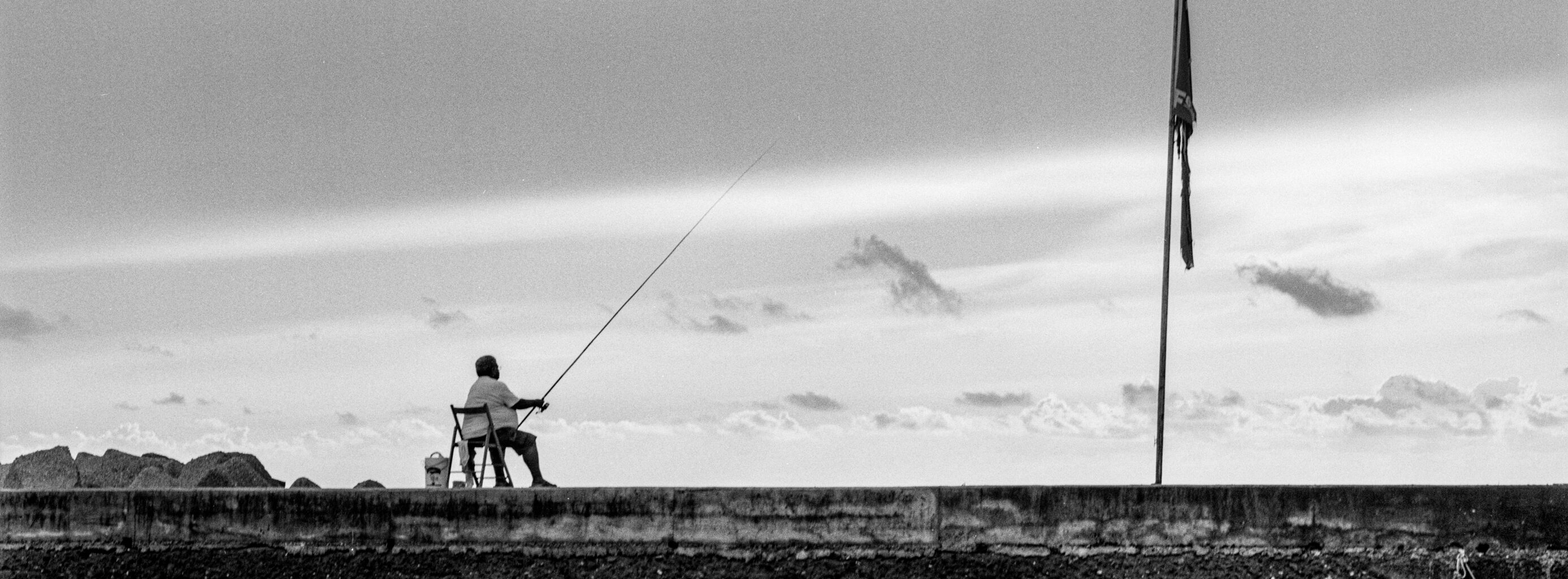
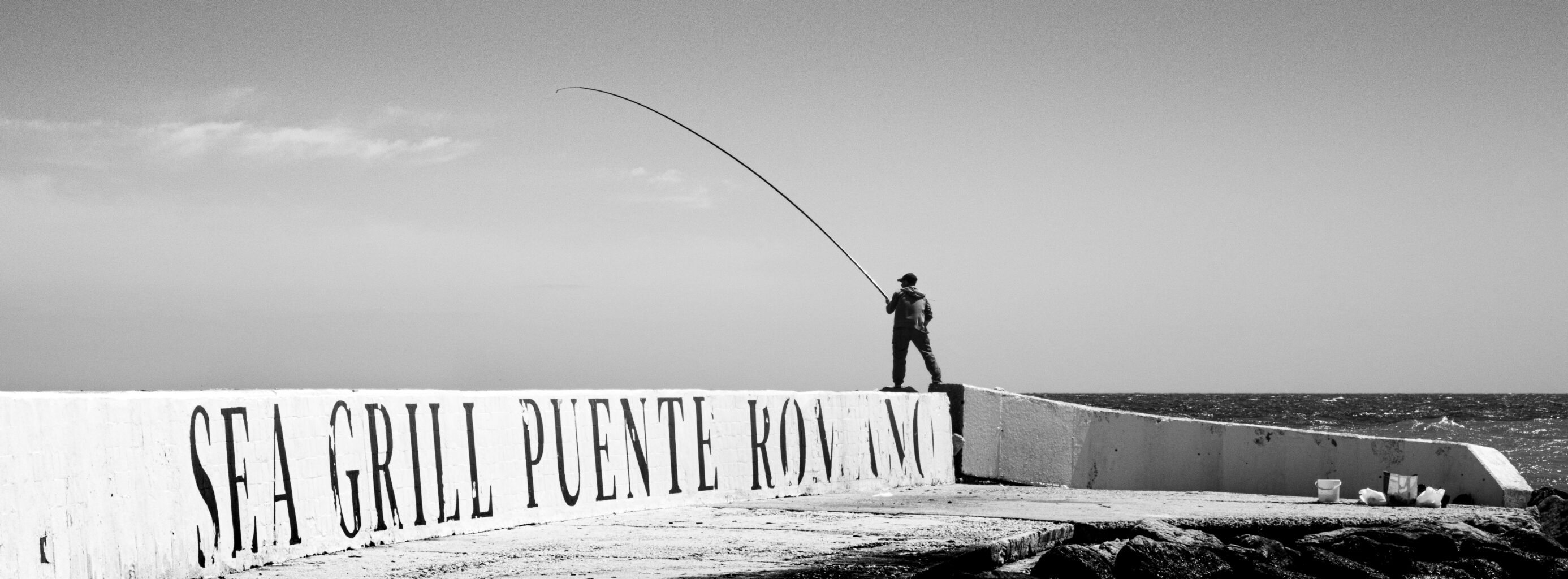
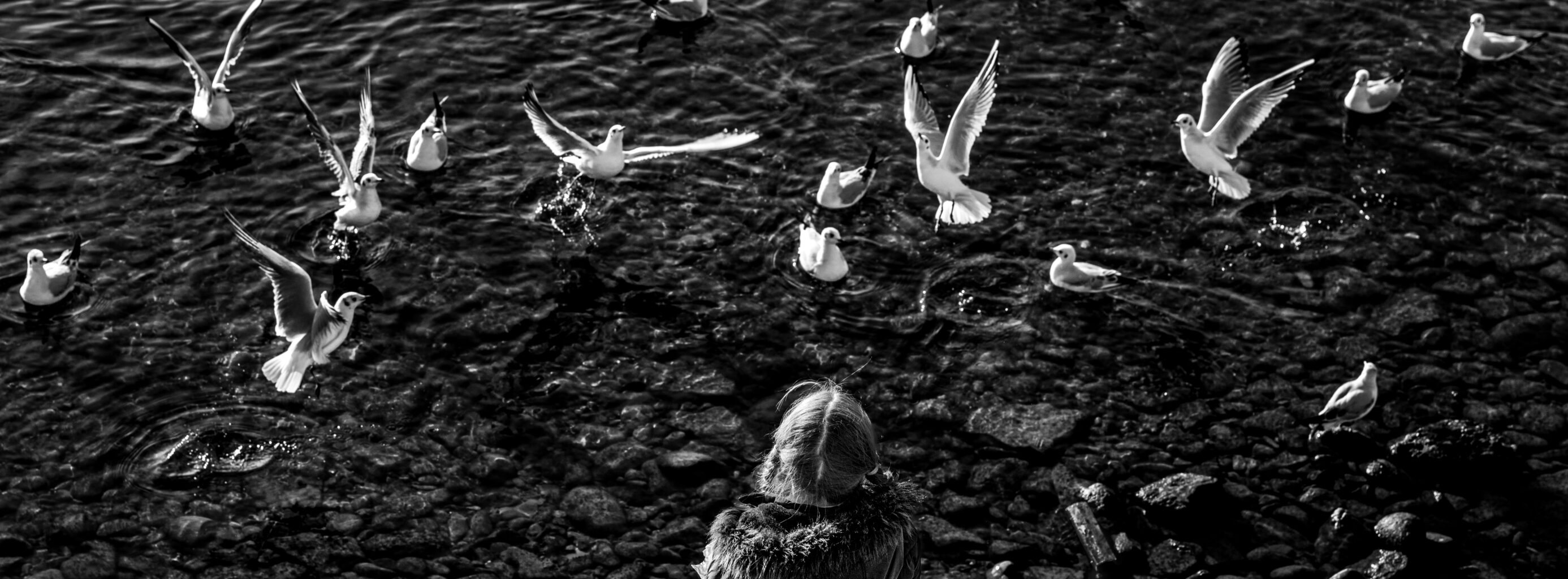
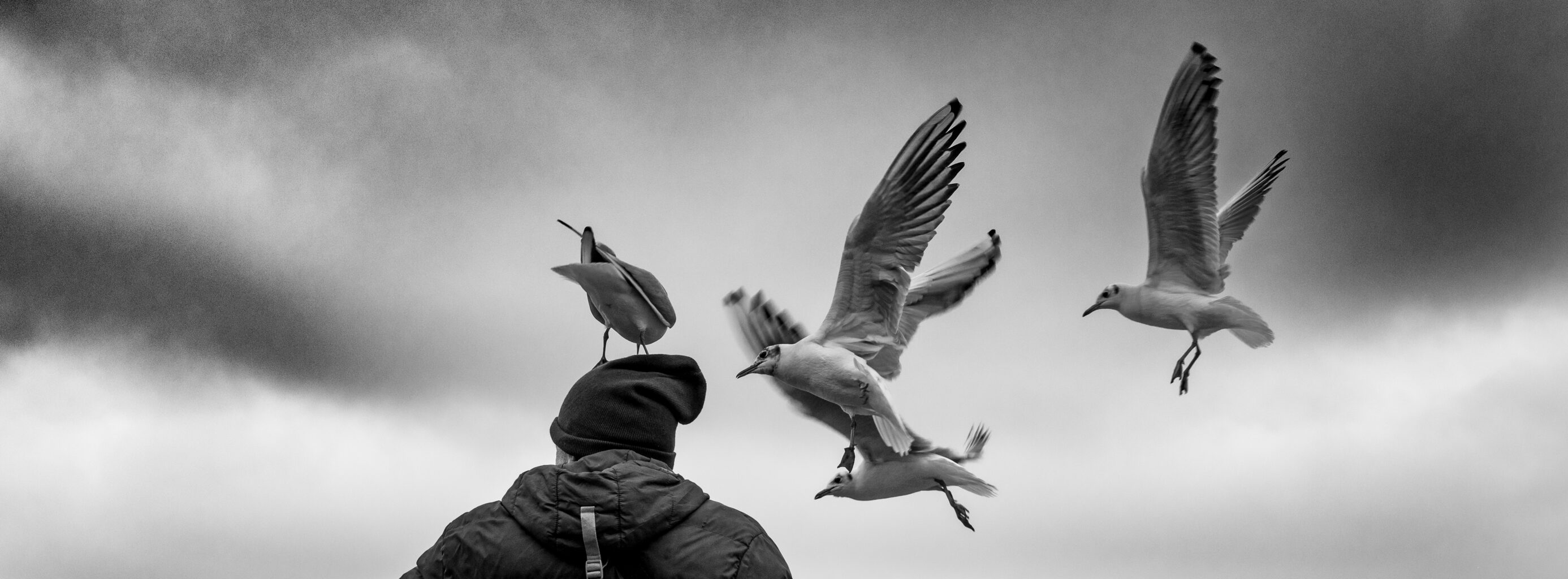
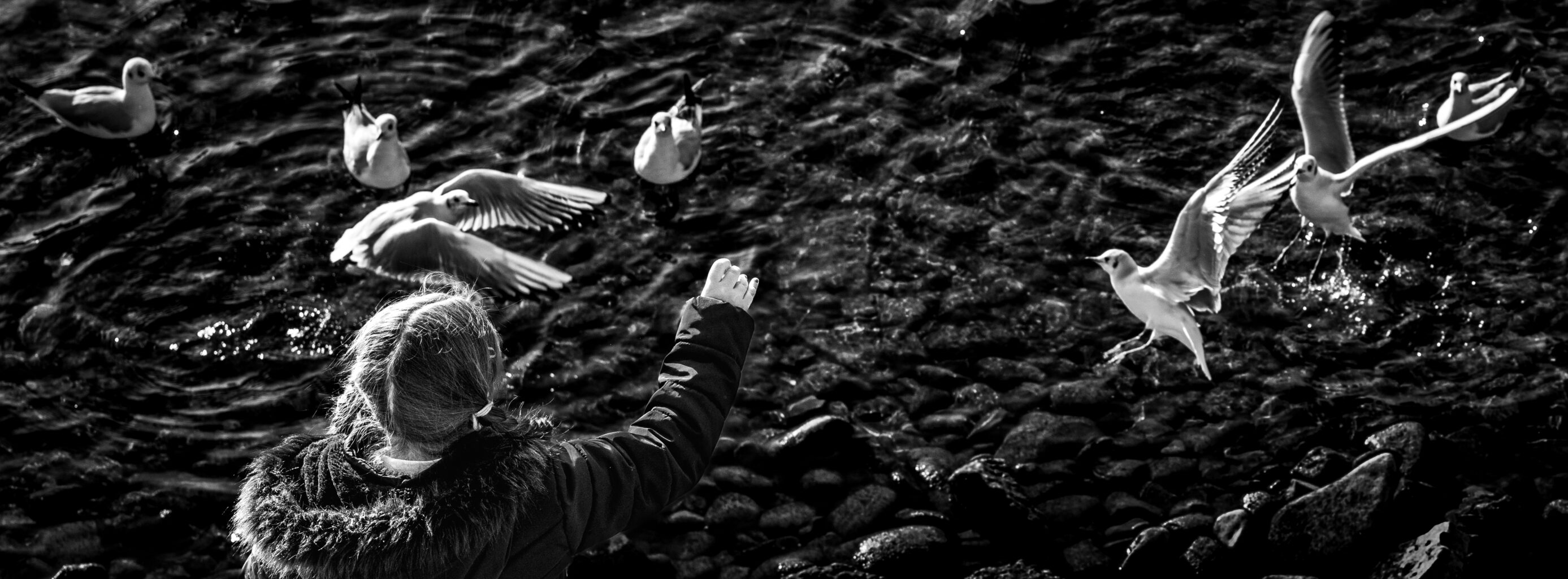
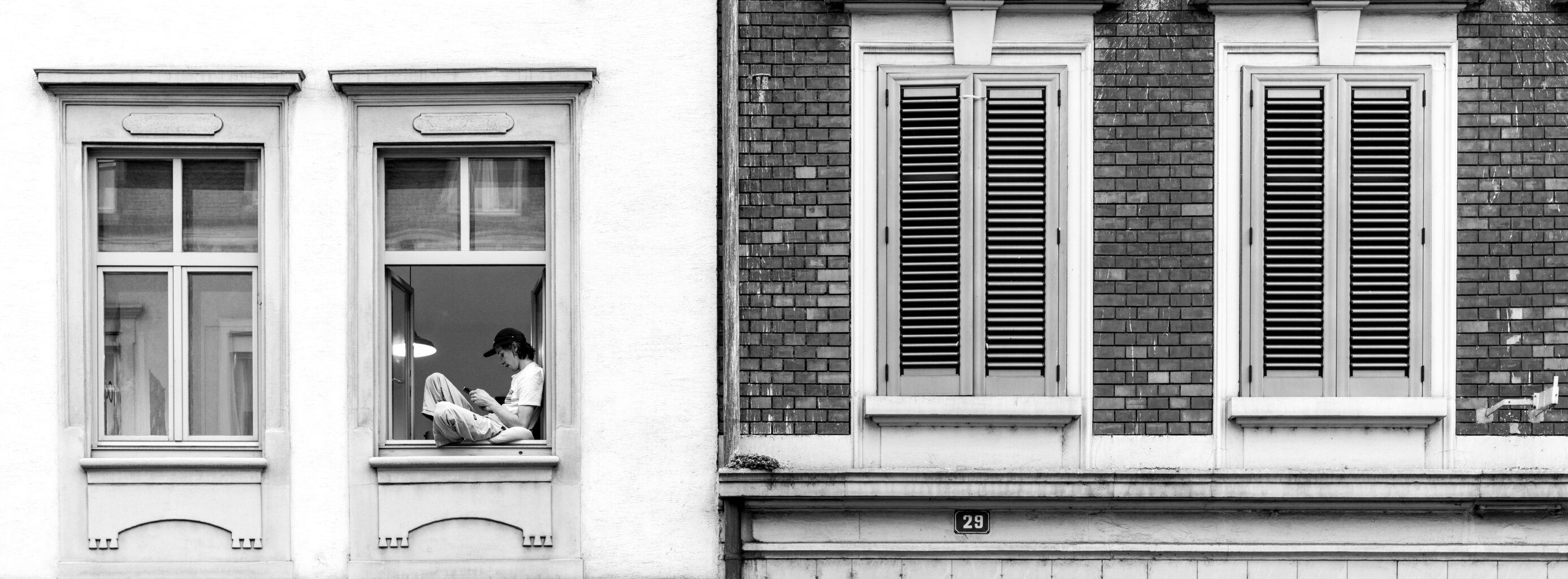
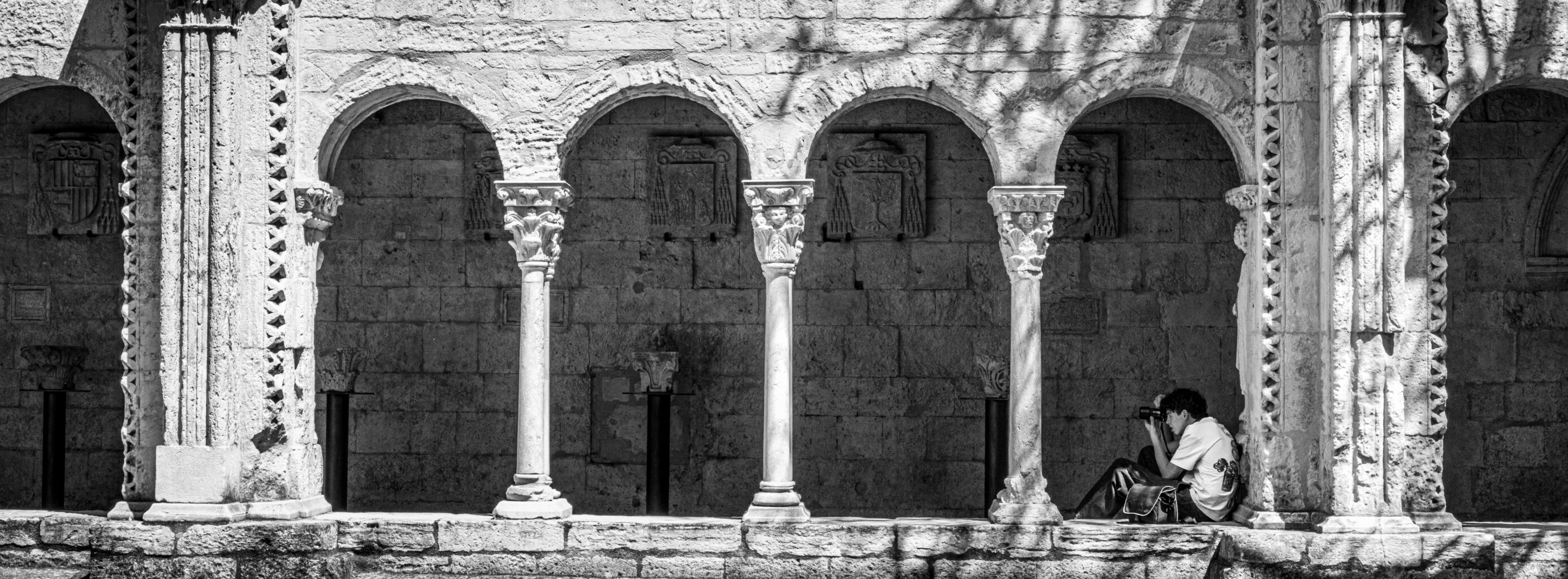
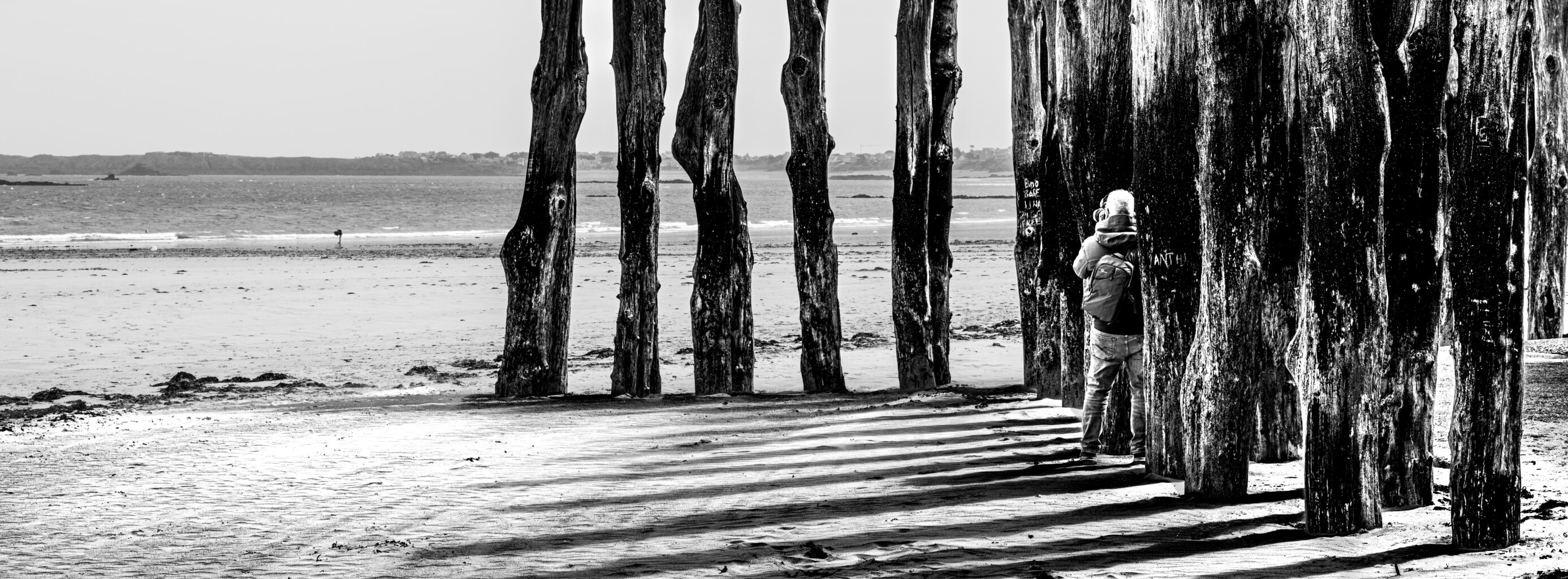
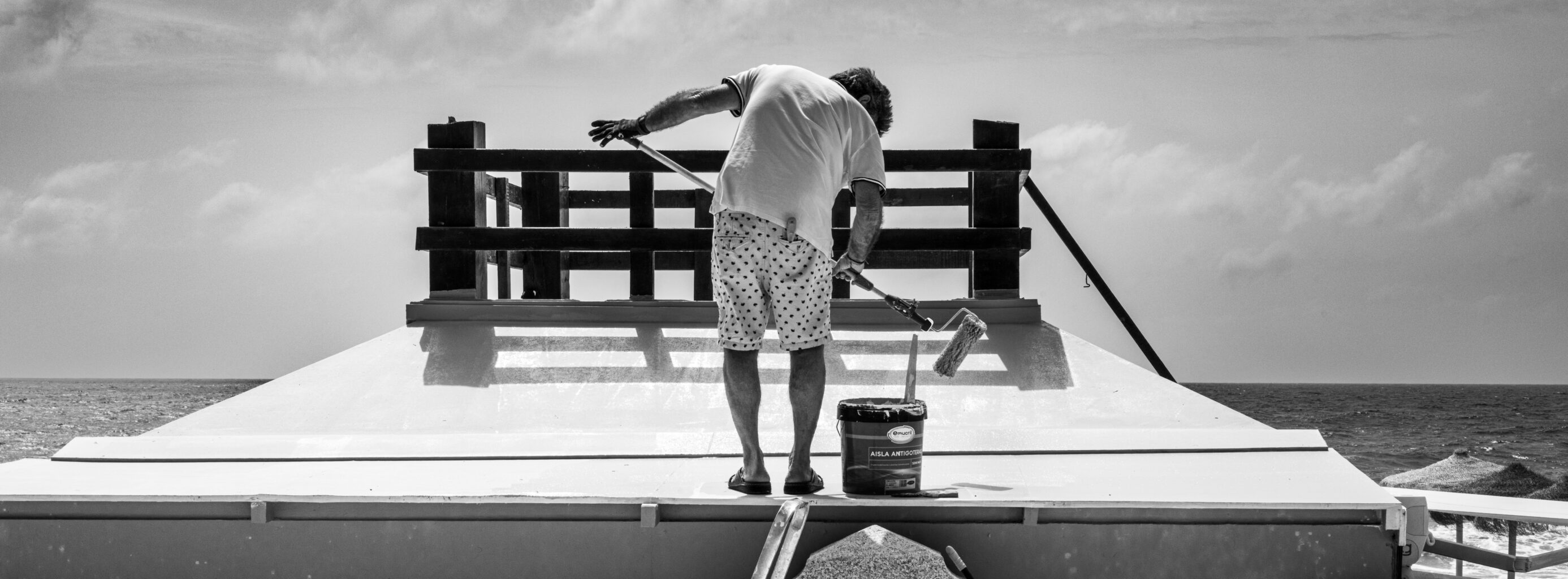
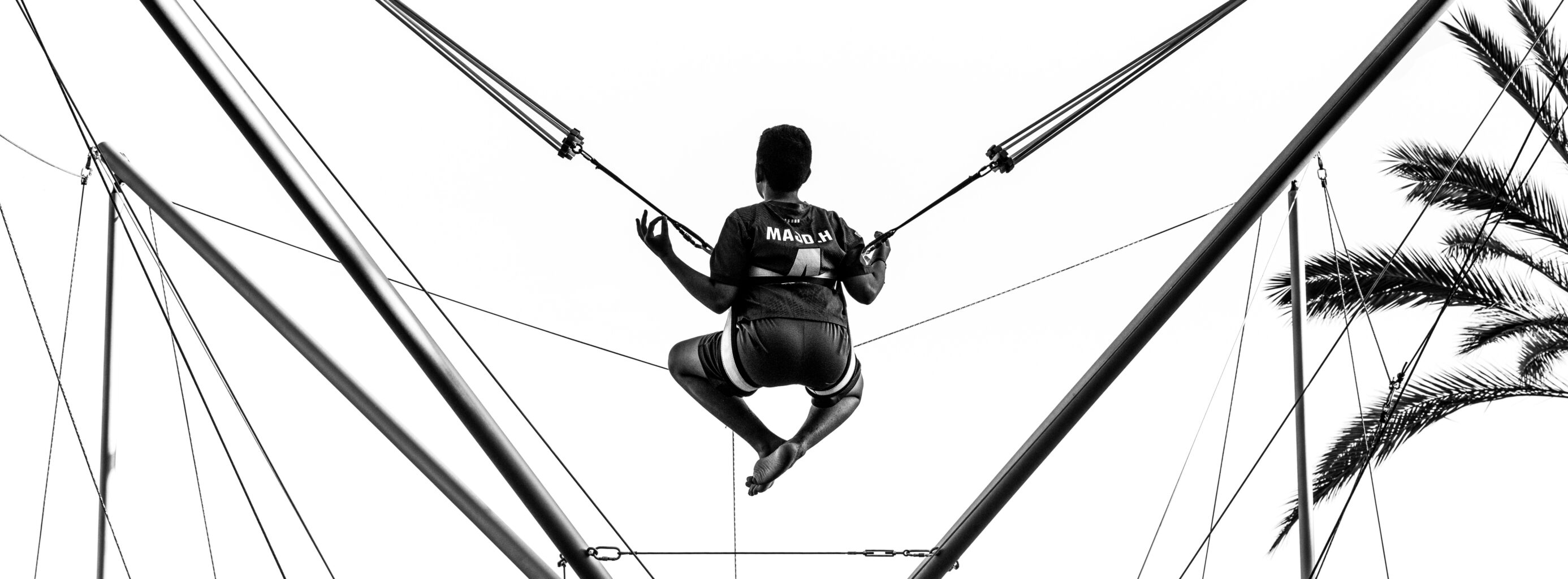
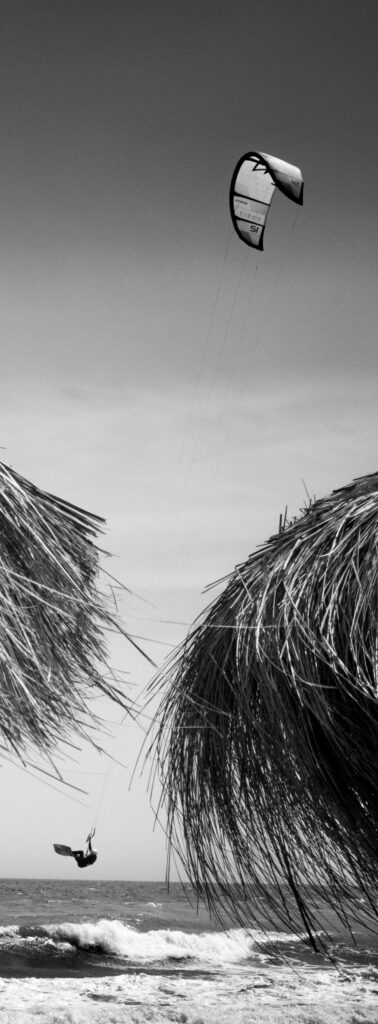
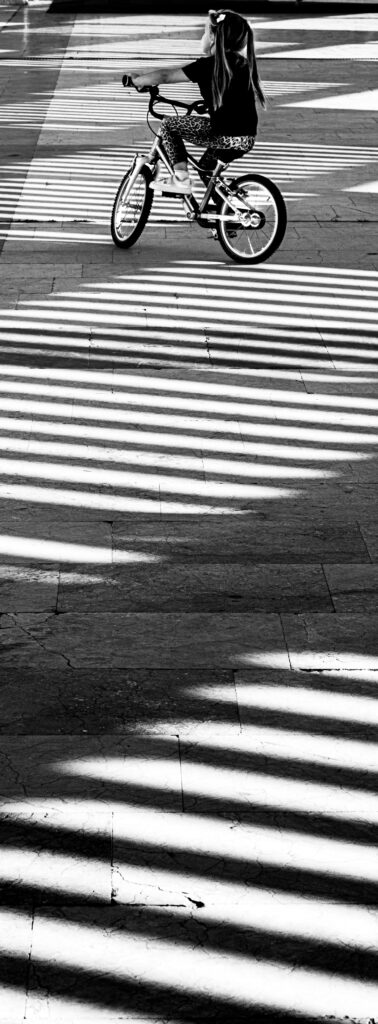
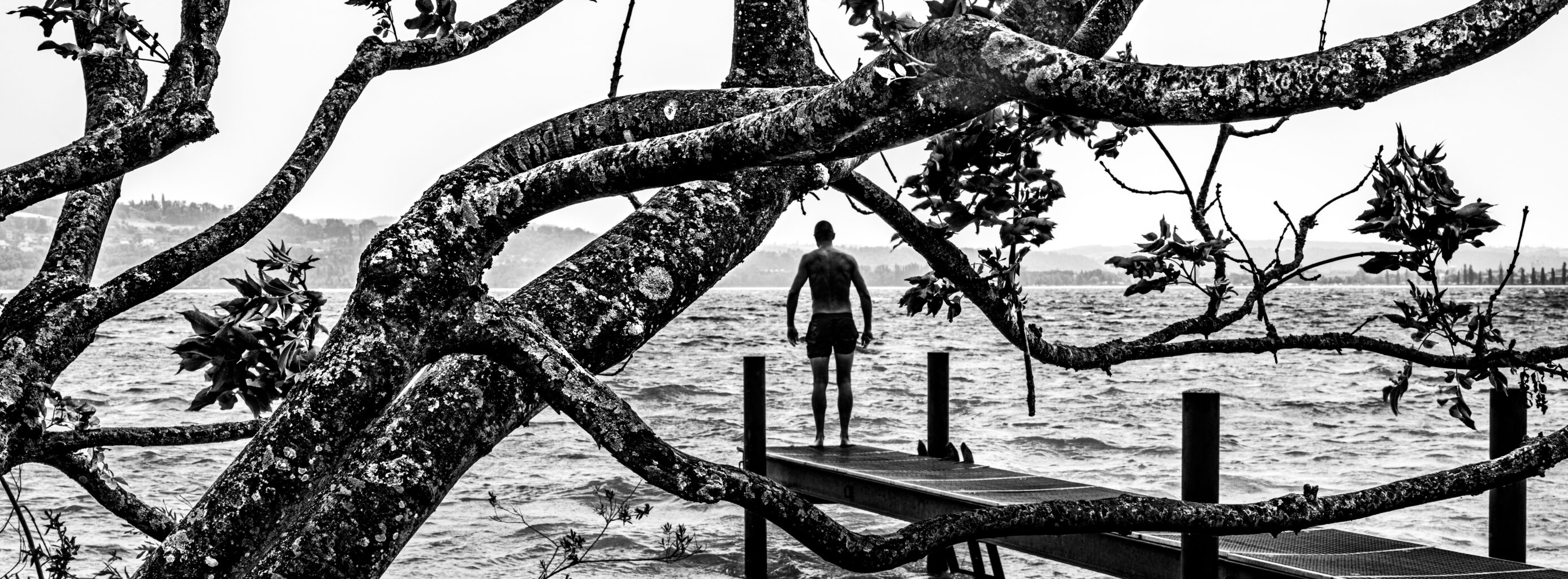
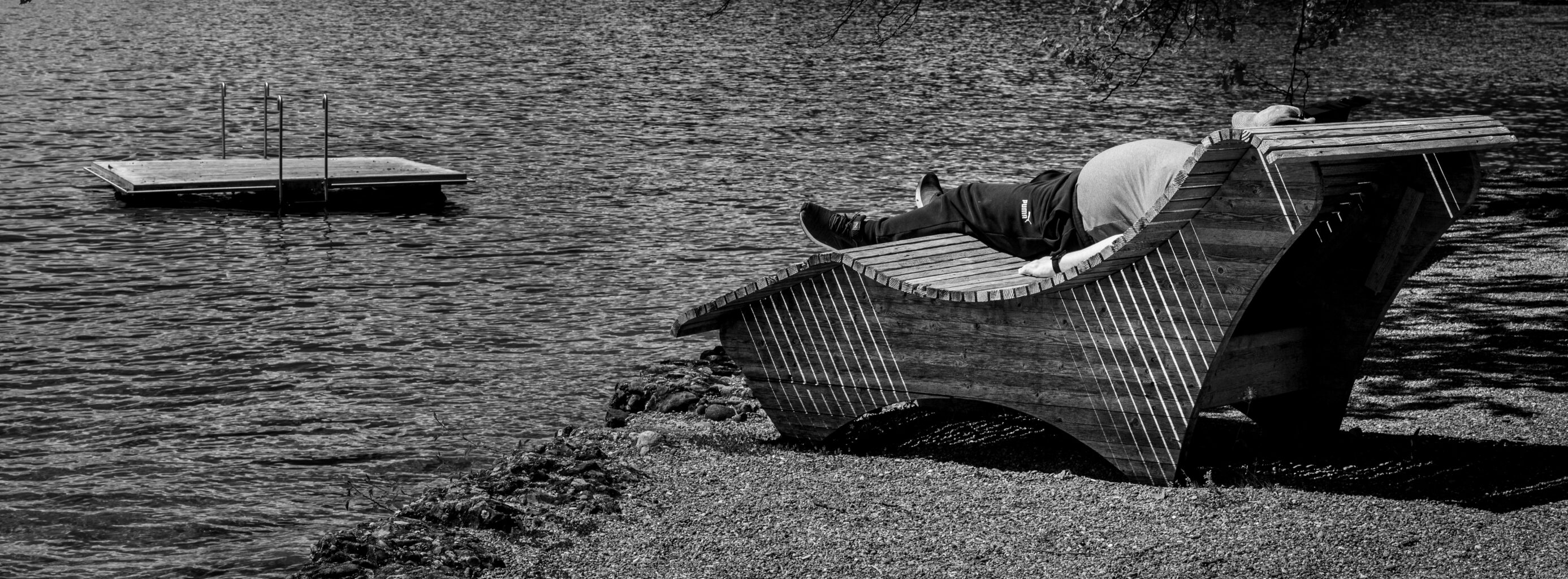
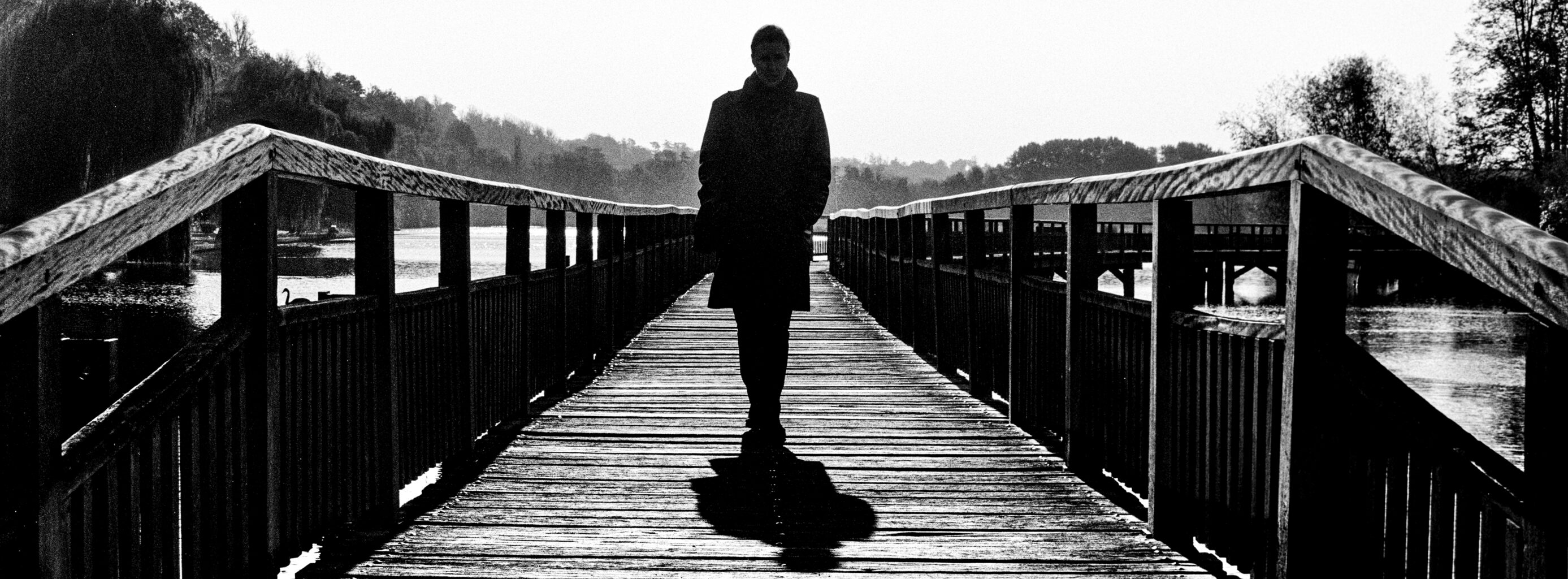
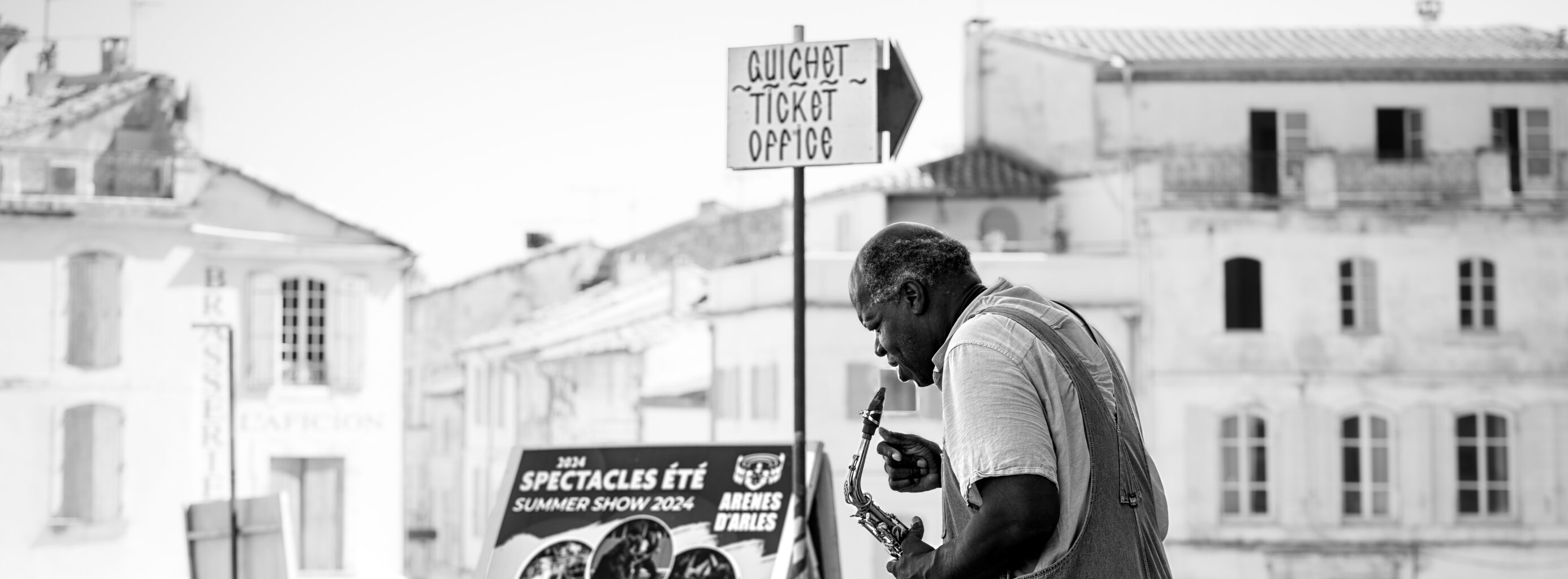
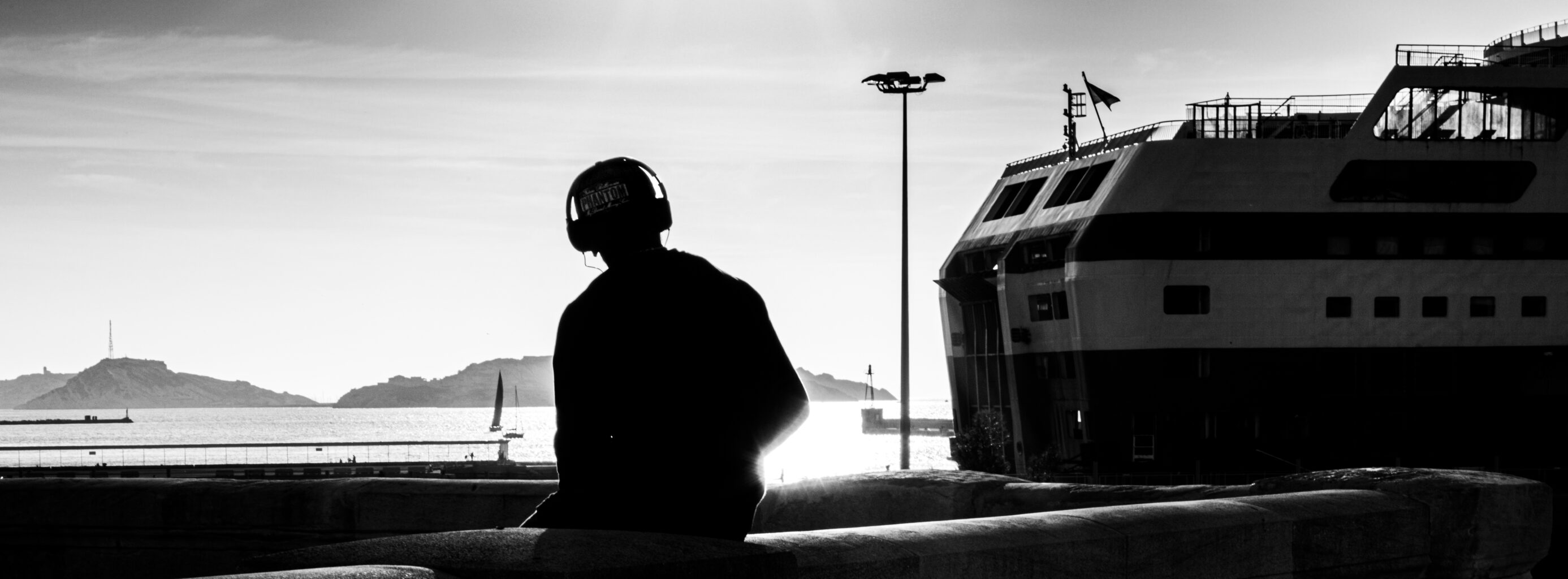
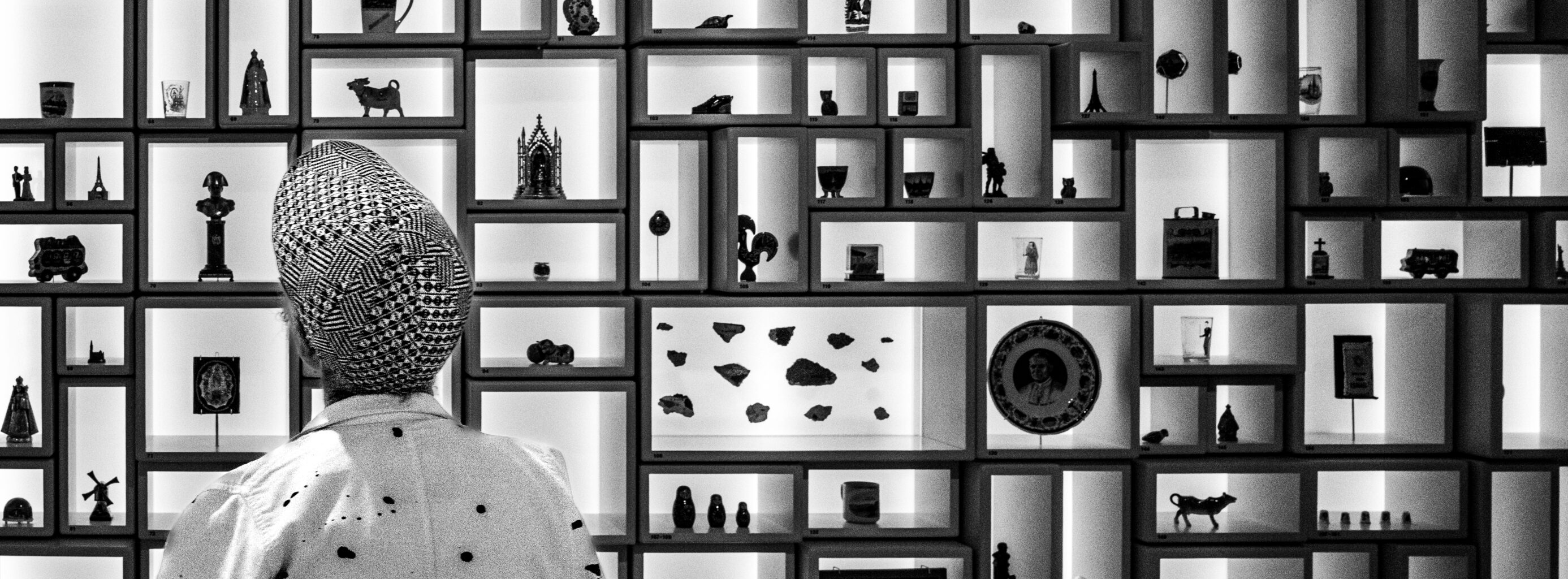
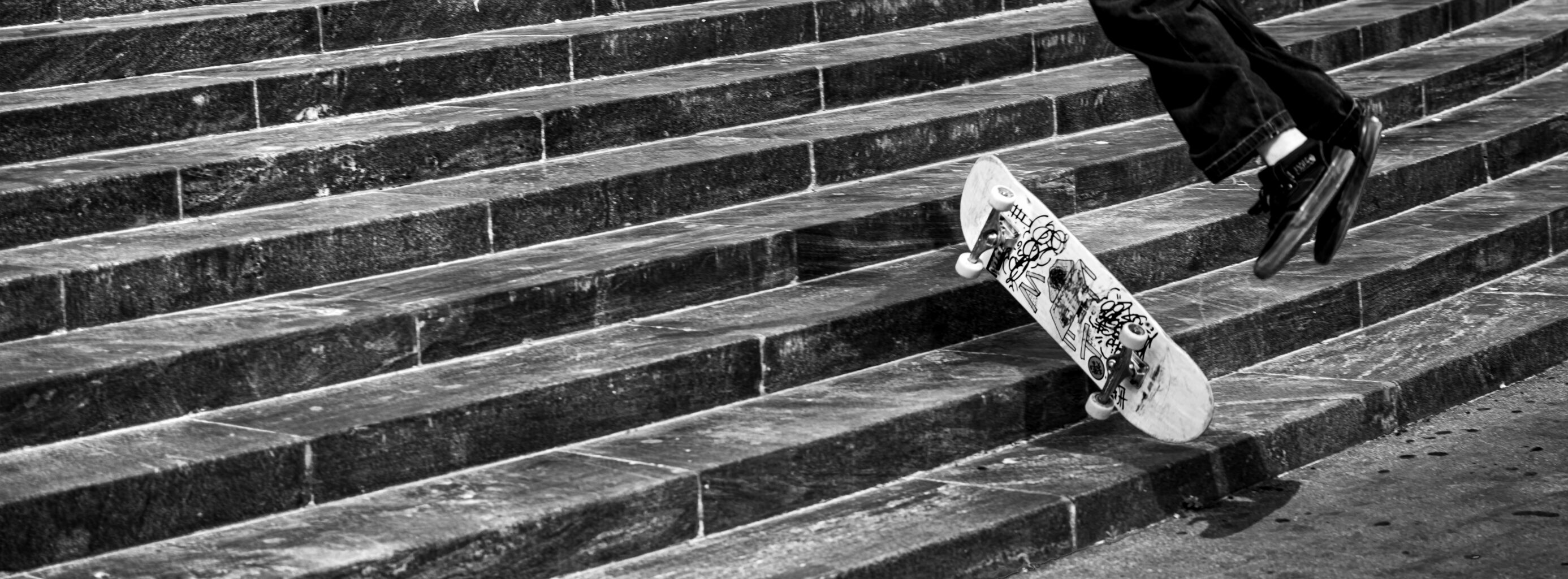
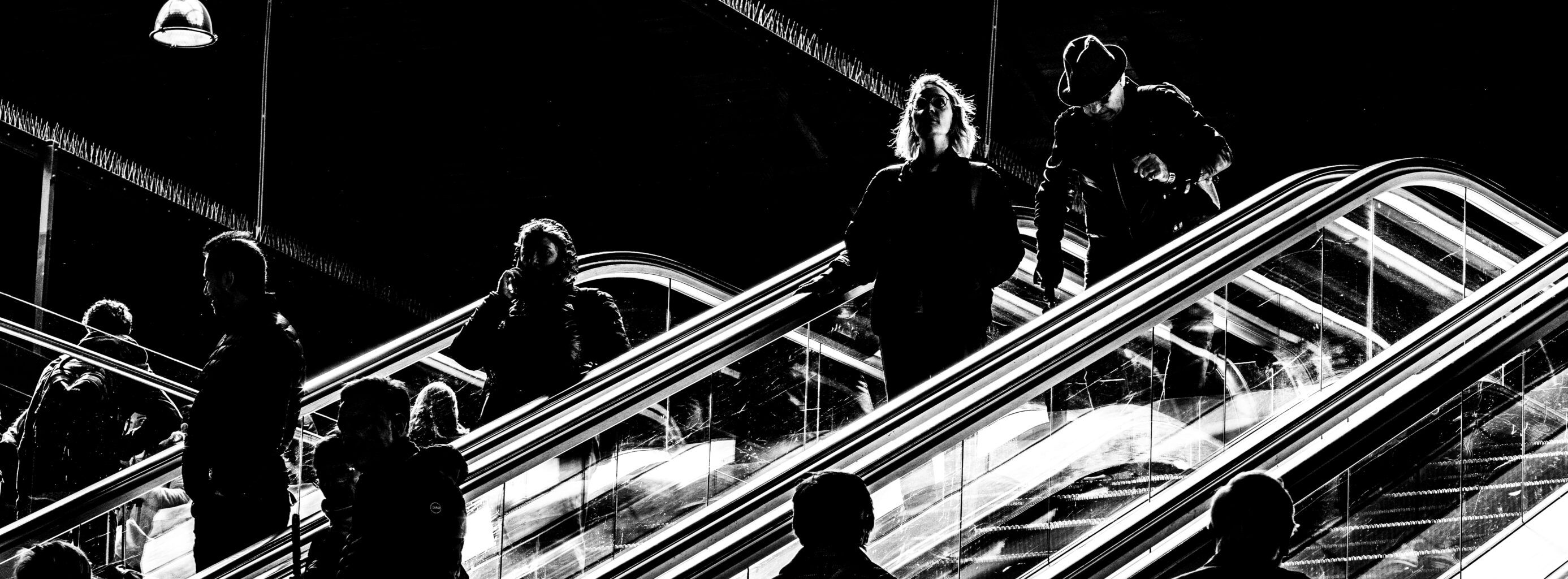
Being alone has nothing to do with the presence or absence of other people. Even among many people, everyone can be alone.
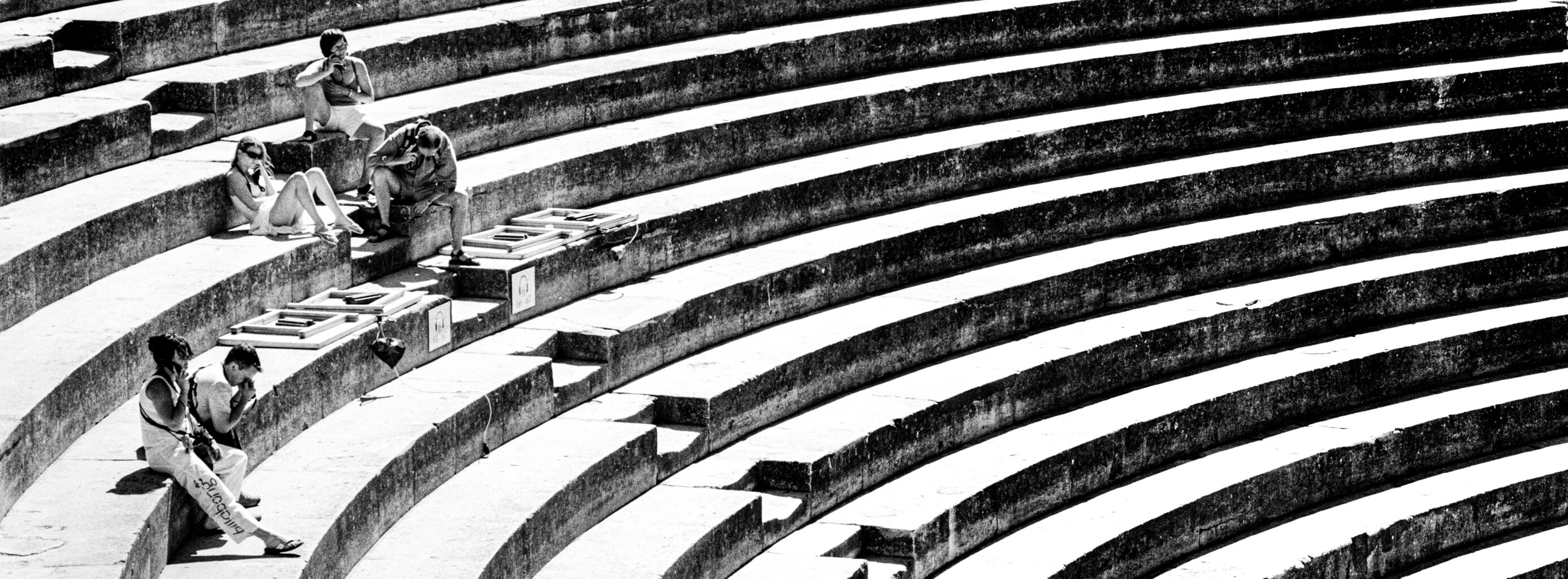
And sometimes you’d prefer to be alone:-o

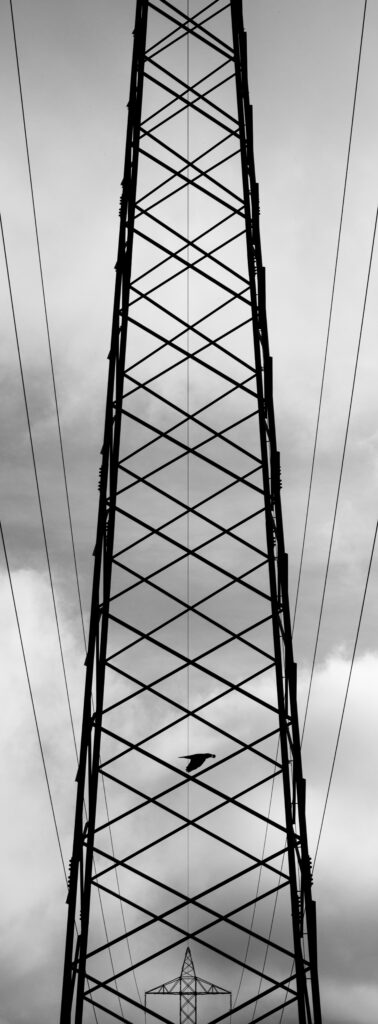
Panoramas are particularly suitable for showing the independence of the birds in contrast to rigid structures, such as the raven with the nut in its beak
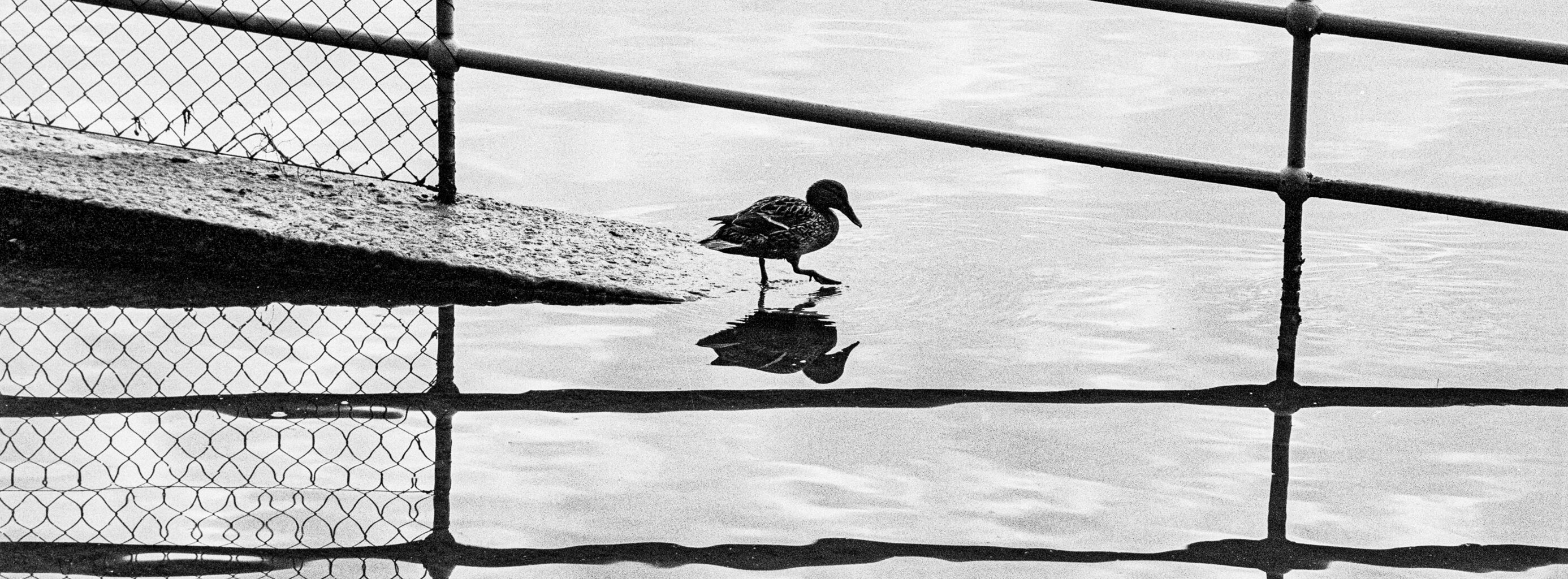
the duck entering the river
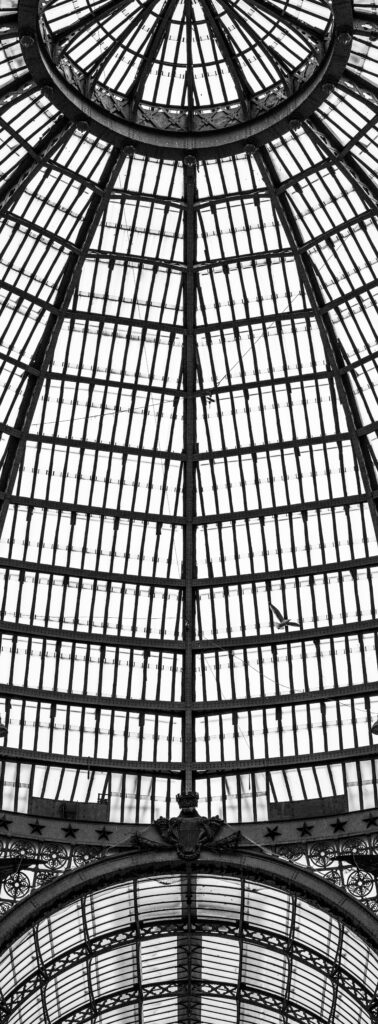
the seagull in the shopping gallery
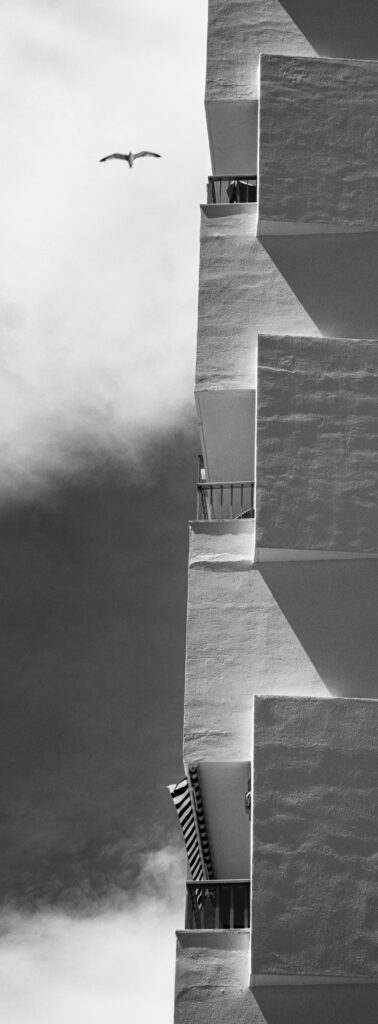
or when passing the cubic buildings.
When taking a rest

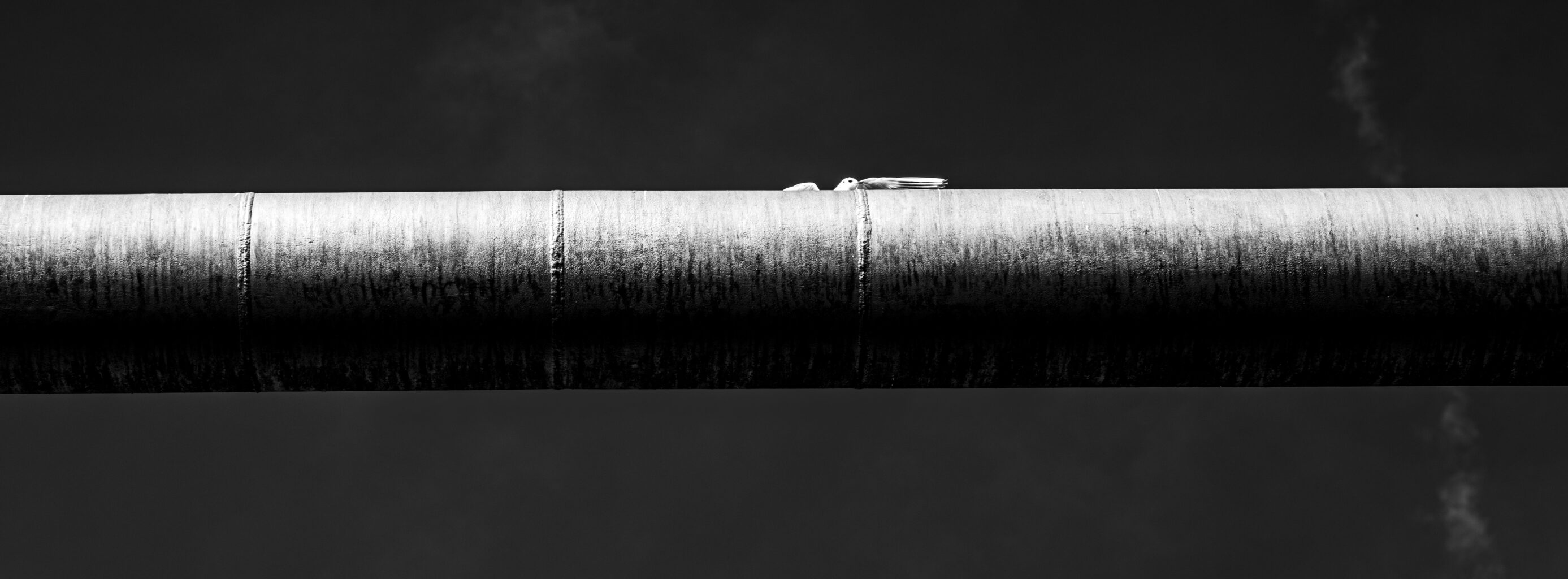

or when starting or landing